Radon Mitigation in Camp Hill, PA
Radon in Camp Hill’s prewar blocks
Camp Hill is a finished borough. It filled in decades ago, and that fact shapes its radon story more than anything else. The housing here is overwhelmingly prewar and early-postwar: brick colonials and capes from the 1920s through the 1950s, on compact lots along mature tree streets. Almost every one has a basement, because that’s how this borough was built, and almost every basement sits directly on the limestone valley floor that helps make Cumberland County one of the EPA’s highest-rated radon counties.
Those basements have lived long lives. Some still hold the original coal-room corners and hand-parged walls; plenty more have been finished into rec rooms, offices, and gyms, since Camp Hill’s lot sizes push growing households downward instead of outward. That matters for radon twice over. An eighty-year-old foundation has eight decades of settlement cracks, floor seams, and retrofitted penetrations for gas to be drawn through. And a finished basement means people are down there, in the room where readings run highest, for hours at a stretch.
The borough’s era also predates any thought of radon-ready construction. There are no builder rough-ins here, no gravel layers laid with a future pipe in mind. Every Camp Hill system is a retrofit, which puts a premium on reading the individual foundation: where the original slab was poured in sections, whether a sump was added during a waterproofing job, what that 1970s addition off the kitchen actually sits on.
None of this makes any particular Camp Hill house high. It makes the question live. The regional picture, including the state data you can check by ZIP code, is laid out in radon levels in your area, and the only number that settles your own house is a test run in it.
What Camp Hill homes typically need
The work here is retrofit work, and it leans on two services. Radon mitigation designed around older foundations is the core of it: suction points placed to reach under sectioned slabs, routing chosen so a 1930s interior doesn’t take a pipe through the dining room. And because Camp Hill’s housing market moves briskly and buyers’ inspectors test as a matter of course, radon work on a home-sale timeline comes up constantly. Often it’s the moment an owner learns their number at all.
A first visit here usually follows the same short script: down to the basement, a look at how the original slab was poured and what’s been added since, a conversation about where pipe can run without offending the house, and a written scope to consider without pressure. In a borough where the basements are finished and the interiors are loved, that routing conversation is most of the design work.
Coverage is the easy part. Camp Hill sits directly across the river from the Harrisburg base, minutes over the bridges, with no scheduling gymnastics required. Assessments, installations, and verification retests all run here exactly as they do on the East Shore, and every job closes the same way: with a documented test result rather than a promise.
Our Services
-
Radon Mitigation
A mitigation system collects the gas beneath the home and vents it safely above the roofline — before it can build up indoors.
Learn more
-
Radon Testing
Radon can't be seen or smelled — a test is the only way to know a home's level.
Learn more
-
Radon for Home Sales
Radon findings in a purchase usually come with a deadline attached — the process works better when someone's done it on a closing schedule before.
Learn more
-
Radon Fan Replacement & System Repair
Mitigation fans run continuously for years — and like anything that runs continuously, they eventually wear out.
Learn more
-
Passive Radon System Activation
Many newer homes were built with a passive radon rough-in — a pipe that's ready for a fan but doesn't have one yet.
Learn more
-
Crawlspace Radon Mitigation
Homes over crawlspaces need a different approach — typically a sealed membrane over the exposed soil, tied into the venting system.
Learn more
Areas We Serve
- Harrisburg
- Camp Hill
- Mechanicsburg
- Carlisle
- Hershey
- Hummelstown
- Middletown
- New Cumberland
- Enola
- Dillsburg
- Elizabethtown
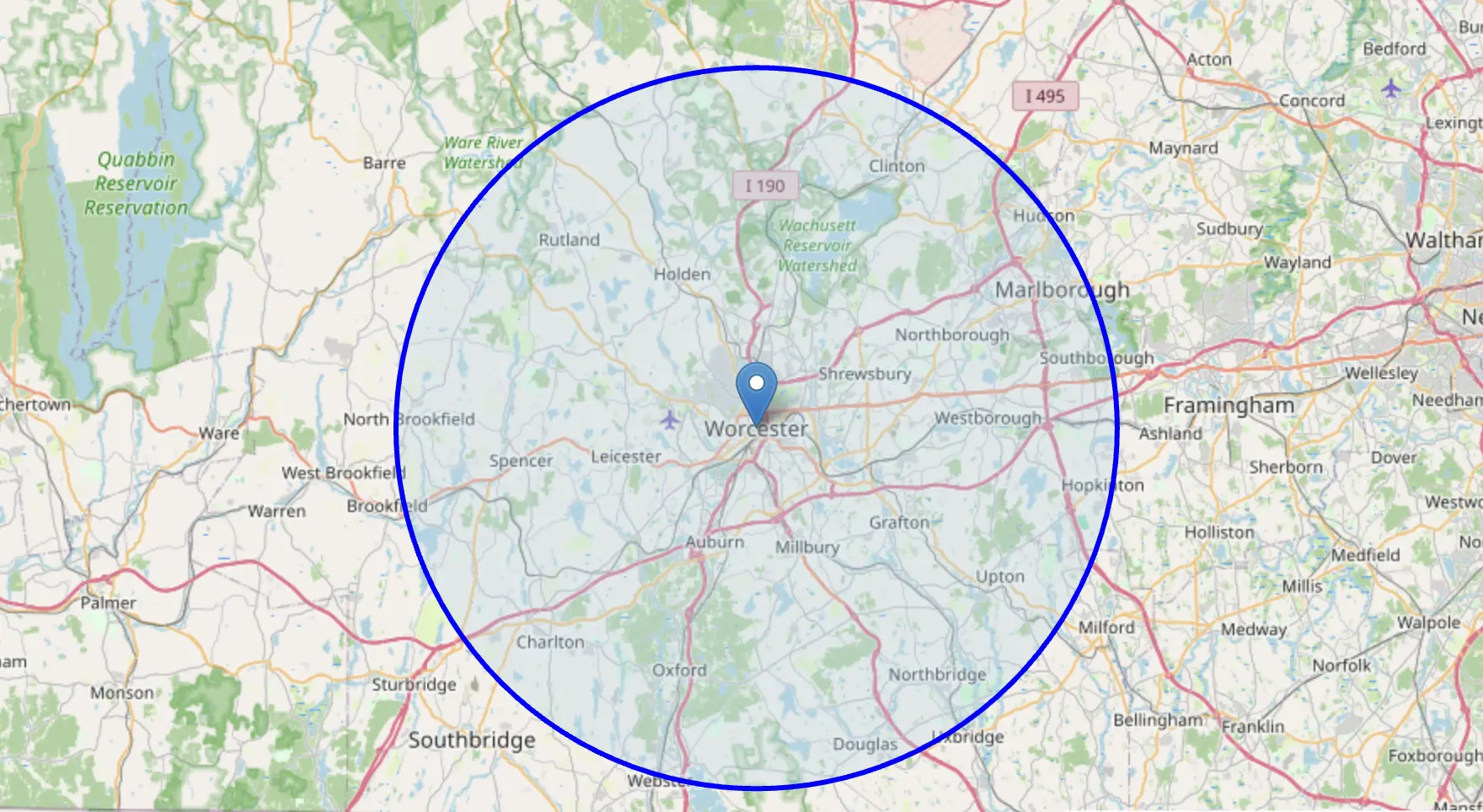
Find local details for each community on our service-area pages.
Frequently Asked Questions
We just finished our Camp Hill basement. Should we retest?
Yes, and ideally you'd have tested before the drywall went up. Finishing a basement changes the airflow, adds heating, and turns soil-contact space into living space where people spend hours. A finished rec room downstairs is exactly the room a radon test should describe.
Can a system be installed without wrecking a 1930s interior?
Routing is the design question in a borough like this, and there are usually options: up through a garage or utility corner, or an exterior run placed on a discreet side of the house. What works for your floor plan gets settled at the assessment, not guessed from the curb.
Is there radon data specific to Camp Hill?
Pennsylvania's radon program publishes test results by ZIP code, so you can look up the borough's own numbers rather than settling for a county average. Cumberland County as a whole carries the EPA's highest radon-potential designation.