Radon Mitigation in Carlisle, PA
The oldest foundations in the valley
Carlisle has been laying foundations since the 1750s, which makes it the senior radon problem in this service area. No other town around Harrisburg carries as much genuinely old housing: limestone-and-rubble cellars in the historic district, hand-dug and shoulder-height, some with floors that were dirt when Washington passed through and are dirt today. Around that colonial core, rings of later growth: Victorian streets, industrial-era workers’ housing, postwar blocks near the fairgrounds, and newer development pushing toward the interstate exchanges.
For soil gas, the old core is nearly an open door. A rubble foundation is stacked stone and mortar seams; a dirt-floored cellar corner is soil in direct conversation with the living space above. Radon entry in buildings like these isn’t a crack-by-crack story the way it is in a poured basement. The whole lower envelope participates. Mitigation responds accordingly: membranes over exposed soil, patient sealing of what can be sealed, and suction designed around whatever slab actually exists. It’s the least standardized work in the trade, and the most rewarding to get right.
Carlisle adds a second wrinkle: it’s a renter’s town. Dickinson College, the law school, and the Army War College keep a deep pool of student and professional rentals, much of it in exactly that older stock. Landlords come to radon differently than homeowners, usually at purchase, turnover, or a tenant’s question, and the documentation side matters as much as the fix.
The ground underneath is the same Cumberland Valley karst limestone that runs the length of the county the EPA zones at its highest radon potential. Carlisle’s own numbers are visible in the state’s ZIP-code data, linked with the rest of the published picture in radon levels in your area.
What the work looks like out here
Carlisle jobs lean on the full toolbox more than anywhere else in the area. Radon mitigation is the anchor, and in the old core it frequently means membrane work, the same sealed-liner approach described on the crawlspace page, applied to dirt cellar floors and combination foundations that never saw a concrete truck. Newer Carlisle homes, out toward the townships, are conventional sub-slab candidates and comparatively quick work.
The rental side adds its own rhythm. Landlord work in Carlisle tends to cluster around purchases and turnovers: a test during due diligence, mitigation between leases when the building is empty and accessible, and documentation that goes in the property file rather than on the refrigerator. Multi-unit buildings in the old core get scoped from their ground-contact units upward, since that’s where the gas enters and where the readings decide things.
Half an hour of valley highway separates Carlisle from the Harrisburg base, which keeps assessments and installs on a normal schedule rather than an expedition. The full service lineup, and the verification-first way every job ends, is laid out from the homepage, and the promise holds in a 1790s cellar exactly as it does in a 2020 basement: the retest, in writing, is what says the system works.
Our Services
-
Radon Mitigation
A mitigation system collects the gas beneath the home and vents it safely above the roofline — before it can build up indoors.
Learn more
-
Radon Testing
Radon can't be seen or smelled — a test is the only way to know a home's level.
Learn more
-
Radon for Home Sales
Radon findings in a purchase usually come with a deadline attached — the process works better when someone's done it on a closing schedule before.
Learn more
-
Radon Fan Replacement & System Repair
Mitigation fans run continuously for years — and like anything that runs continuously, they eventually wear out.
Learn more
-
Passive Radon System Activation
Many newer homes were built with a passive radon rough-in — a pipe that's ready for a fan but doesn't have one yet.
Learn more
-
Crawlspace Radon Mitigation
Homes over crawlspaces need a different approach — typically a sealed membrane over the exposed soil, tied into the venting system.
Learn more
Areas We Serve
- Harrisburg
- Camp Hill
- Mechanicsburg
- Carlisle
- Hershey
- Hummelstown
- Middletown
- New Cumberland
- Enola
- Dillsburg
- Elizabethtown
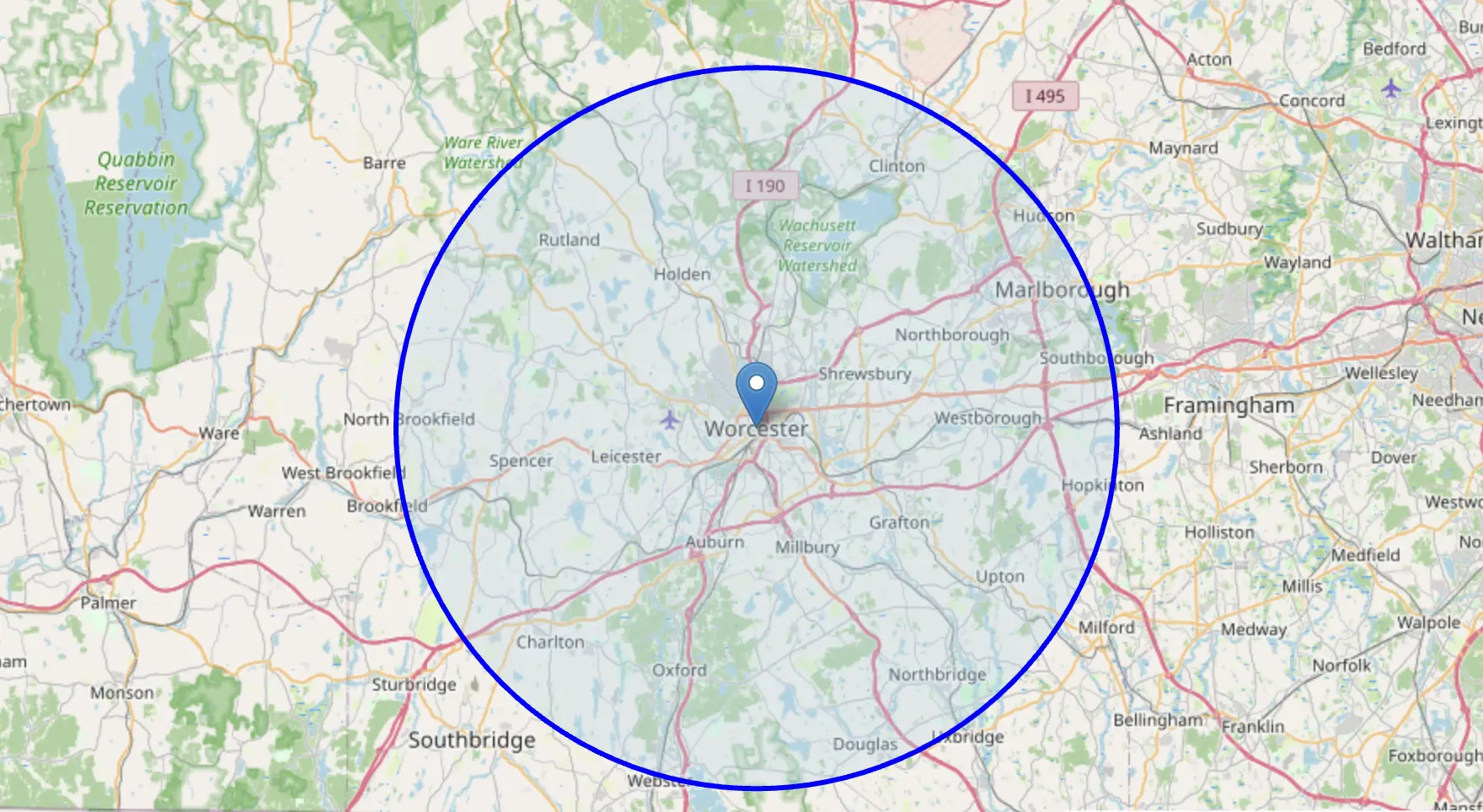
Find local details for each community on our service-area pages.
Frequently Asked Questions
Can you even mitigate a Carlisle house with a stone foundation and a dirt cellar corner?
Yes. It's just a different design problem. Exposed soil gets a sealed membrane with suction beneath it, stone walls get their accessible gaps sealed, and the suction strategy follows whatever slab or floor exists. Old-town foundations take more assessment time than a modern basement, and the retest at the end matters even more.
I own rentals near the colleges. How does radon work for landlords?
The same testing and mitigation, with more scheduling coordination. Tests get placed around tenants and lease turnovers, and mitigation in a multi-unit building is scoped from the ground-contact units up. A documented retest is worth keeping in the property file, since it answers the question before a tenant or buyer asks it.
How far out is Carlisle for scheduling?
About half an hour down the valley from Harrisburg, comfortably inside the normal working radius, not a special trip. Assessments and installs in Carlisle get scheduled the same way as anywhere on the West Shore.