Radon Mitigation in Elizabethtown
Radon at the Lancaster County edge
Elizabethtown is where this service area crosses into Lancaster County, and the borough wears that county’s building history: brick twins and rows along Market Street from the 1800s and early 1900s, tight to the sidewalk in the Lancaster manner, with later rings of postwar singles and the steady modern growth that the Route 283 corridor and the Amtrak stop keep feeding. Between the borough and the surrounding farmland runs the newest ring: subdivisions carved from cropland over the past three decades, some young enough to carry builder radon rough-ins.
The twins and rowhomes set Elizabethtown’s radon character apart from the freestanding-house towns on this site. Shared-wall housing divides its foundations the way it divides its porches: each half of a twin owns its own cellar, its own slab history, its own gas paths. One side’s test result genuinely doesn’t speak for the other. Mitigation in party-wall housing is also a routing puzzle, since pipe has fewer exterior walls to choose from and the discharge still has to clear the roofline properly.
The college adds its layer. Elizabethtown College keeps a rental market alive in the borough’s older stock, which means landlords managing radon questions across multiple aging foundations, usually triggered by a purchase, a refinance, or one tenant’s test kit.
And under all of it, Lancaster County limestone. The county shares the EPA’s Zone 1 designation with the rest of the region, and its farmland-famous soils sit on the same carbonate rock that drives radon numbers valley-wide. Elizabethtown’s own testing history is visible in the state’s ZIP-grain data, gathered with the rest of the published picture in radon levels in your area.
The E-town workload
Borough housing keeps radon mitigation interesting here: party-wall routing, cellar-by-cellar designs in the twins, conventional sub-slab work in the postwar and subdivision rings. The rail-commuter and corridor growth gives Elizabethtown a steady real-estate pulse, so radon on a transaction timeline is the other regular engagement: inspection-window testing, mitigation against a closing date, and the documented retest the deal files away.
Party-wall assessments run a little differently than freestanding ones, and E-town gets more of them than anywhere else in this territory. The visit maps which walls are shared, where the cellar’s own exterior exposure is, and which vertical chases (old chimneys, plumbing walls, closets stacked floor to floor) can carry a pipe to the roof without surgery. Twins usually yield a clean answer; mid-row homes take more creativity, and the scope says so honestly before any work is agreed to.
Honest coverage note: Elizabethtown is the southeastern edge of the territory, about thirty minutes from Harrisburg down 283. Edge doesn’t mean afterthought. Jobs here book on the same timelines as the river towns, and the occasional joint scheduling with nearby Middletown makes the corridor efficient. The full service range and the retest-first standard behind it are laid out from the homepage.
Our Services
-
Radon Mitigation
A mitigation system collects the gas beneath the home and vents it safely above the roofline — before it can build up indoors.
Learn more
-
Radon Testing
Radon can't be seen or smelled — a test is the only way to know a home's level.
Learn more
-
Radon for Home Sales
Radon findings in a purchase usually come with a deadline attached — the process works better when someone's done it on a closing schedule before.
Learn more
-
Radon Fan Replacement & System Repair
Mitigation fans run continuously for years — and like anything that runs continuously, they eventually wear out.
Learn more
-
Passive Radon System Activation
Many newer homes were built with a passive radon rough-in — a pipe that's ready for a fan but doesn't have one yet.
Learn more
-
Crawlspace Radon Mitigation
Homes over crawlspaces need a different approach — typically a sealed membrane over the exposed soil, tied into the venting system.
Learn more
Areas We Serve
- Harrisburg
- Camp Hill
- Mechanicsburg
- Carlisle
- Hershey
- Hummelstown
- Middletown
- New Cumberland
- Enola
- Dillsburg
- Elizabethtown
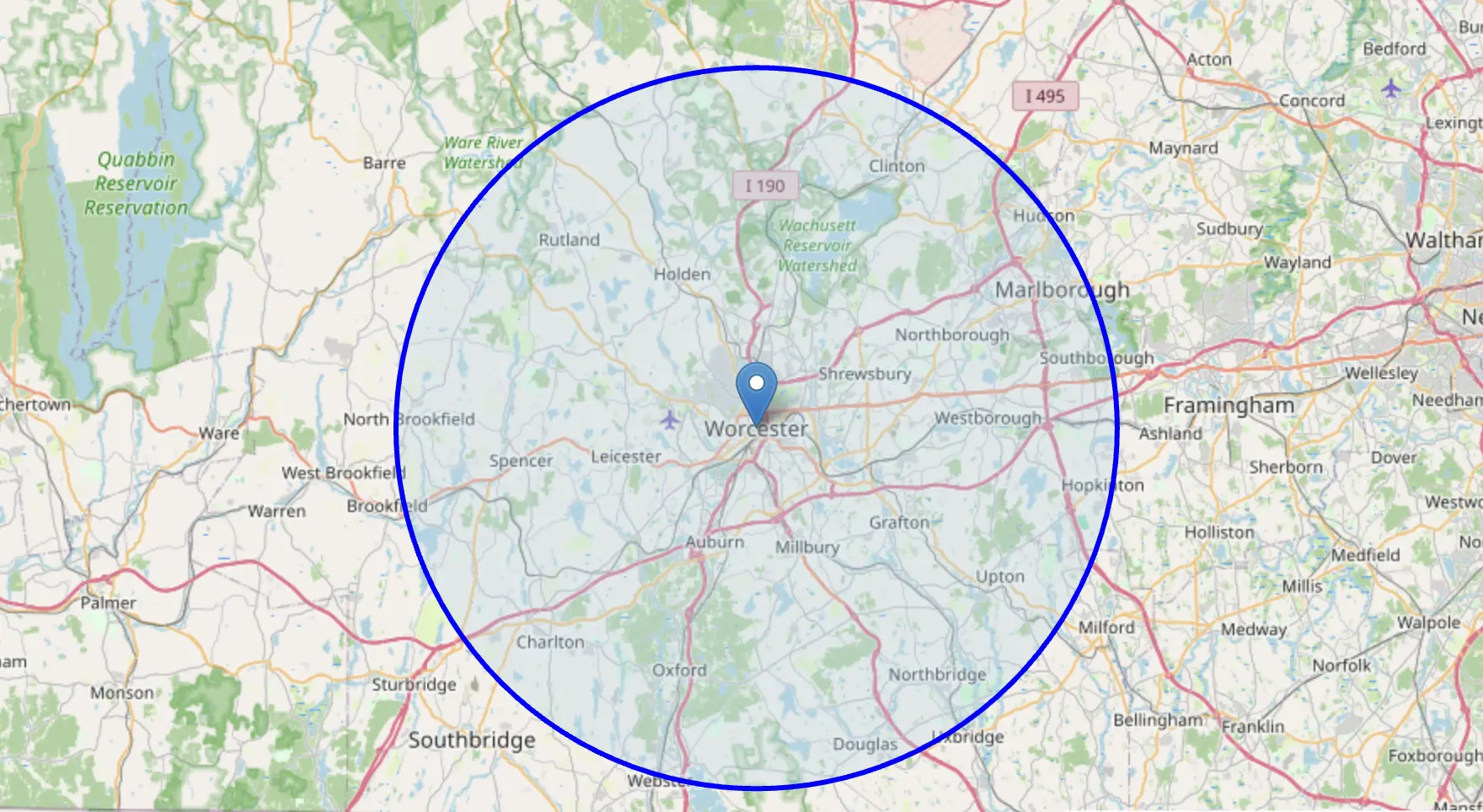
Find local details for each community on our service-area pages.
Frequently Asked Questions
Is radon handled differently on the Lancaster County side?
The physics and the fix are identical. What changes is context. Lancaster County sits in the EPA's highest radon-potential zone like its neighbors, and Pennsylvania's ZIP-code data covers Elizabethtown the same as everywhere else. Transaction norms are the same statewide too, from the disclosure form to DEP certification of anyone doing the work.
Our E-town twin shares a wall. Does the neighbor's system help us?
No. Suction under one half of a twin doesn't meaningfully treat the other half's foundation. Each side needs its own test, and if elevated, its own system or a deliberately designed shared approach. A neighbor's verified low retest is good news worth learning from, but it isn't coverage.
How does scheduling work for Elizabethtown?
The borough sits about half an hour southeast of Harrisburg down Route 283, the far edge of the everyday radius but still a routine trip. Assessments, installs, and verification retests book on standard timelines, transaction deadlines included.