Radon Mitigation in Enola, PA
The railroad town on the hillside
Enola exists because of the freight yard. When the Pennsylvania Railroad built what was then one of the largest rail yards anywhere along this stretch of riverbank, the town materialized on the slope above it: quick, practical housing for yard crews and their families, built in the 1900s through the 1920s. That origin is still the housing stock: railroad-era duplexes and modest frame singles stepped up the hillside streets, with postwar infill filling the gaps toward East Pennsboro’s newer sections.
Company-era worker housing has a radon personality of its own. These homes were built economically and identically: shallow cellars, thin original slabs where slabs exist at all, stone-and-block hybrid walls. A century of duplex life has added its own penetrations: split utilities, doubled sewer lines, the second water service punched through the wall in 1954. Duplexes add a design question single homes never face: two households over two half-foundations that share a wall but not necessarily a radon level. One side testing high says nothing certain about the other.
The hillside matters too. Enola’s streets climb, and climbing streets mean stepped foundations: a cellar under the front of the house, crawl or slab under the back, walk-outs on the downhill side. Mixed foundations under one roof are the situations where suction placement becomes genuine design work instead of drill-here routine.
Underneath, Enola shares Cumberland County’s geology and its EPA Zone 1 designation, with the state’s ZIP-grain test data providing the local texture, all of it sourced and linked in radon levels in your area. A yard town built fast on a limestone slope is exactly the housing that deserves a measured answer over a guess.
Radon work above the yard
Enola’s stock points the work at two services. Radon mitigation here means railroad-era retrofit: reading stepped foundations, handling duplex halves as the separate systems they are, finding suction under floors that were poured in installments across a century. And because a fair number of Enola homes picked up systems during sales over the past few decades, fan replacement and repair shows up regularly. Aging fans on aging systems, diagnosed by a flat gauge and fixed in an afternoon.
Duplex work deserves one practical note. The two halves get treated as two jobs even when they’re booked together: separate tests, separate assessments of each cellar, and, when both sides need work, a design decision about whether one shared system can honestly serve both foundations or whether each half needs its own suction. Booking neighbors together is common here and saves everyone trips, but the paperwork stays per-address, because that’s how the results will be read when either half sells.
The drive is nothing: Enola faces Harrisburg across the river, ten minutes or so from the base, inside the tightest ring of the coverage area. Assessments book on normal local timelines, and the standard is the same one that anchors everything here: design to the actual foundation, then prove the result with a documented retest.
Our Services
-
Radon Mitigation
A mitigation system collects the gas beneath the home and vents it safely above the roofline — before it can build up indoors.
Learn more
-
Radon Testing
Radon can't be seen or smelled — a test is the only way to know a home's level.
Learn more
-
Radon for Home Sales
Radon findings in a purchase usually come with a deadline attached — the process works better when someone's done it on a closing schedule before.
Learn more
-
Radon Fan Replacement & System Repair
Mitigation fans run continuously for years — and like anything that runs continuously, they eventually wear out.
Learn more
-
Passive Radon System Activation
Many newer homes were built with a passive radon rough-in — a pipe that's ready for a fan but doesn't have one yet.
Learn more
-
Crawlspace Radon Mitigation
Homes over crawlspaces need a different approach — typically a sealed membrane over the exposed soil, tied into the venting system.
Learn more
Areas We Serve
- Harrisburg
- Camp Hill
- Mechanicsburg
- Carlisle
- Hershey
- Hummelstown
- Middletown
- New Cumberland
- Enola
- Dillsburg
- Elizabethtown
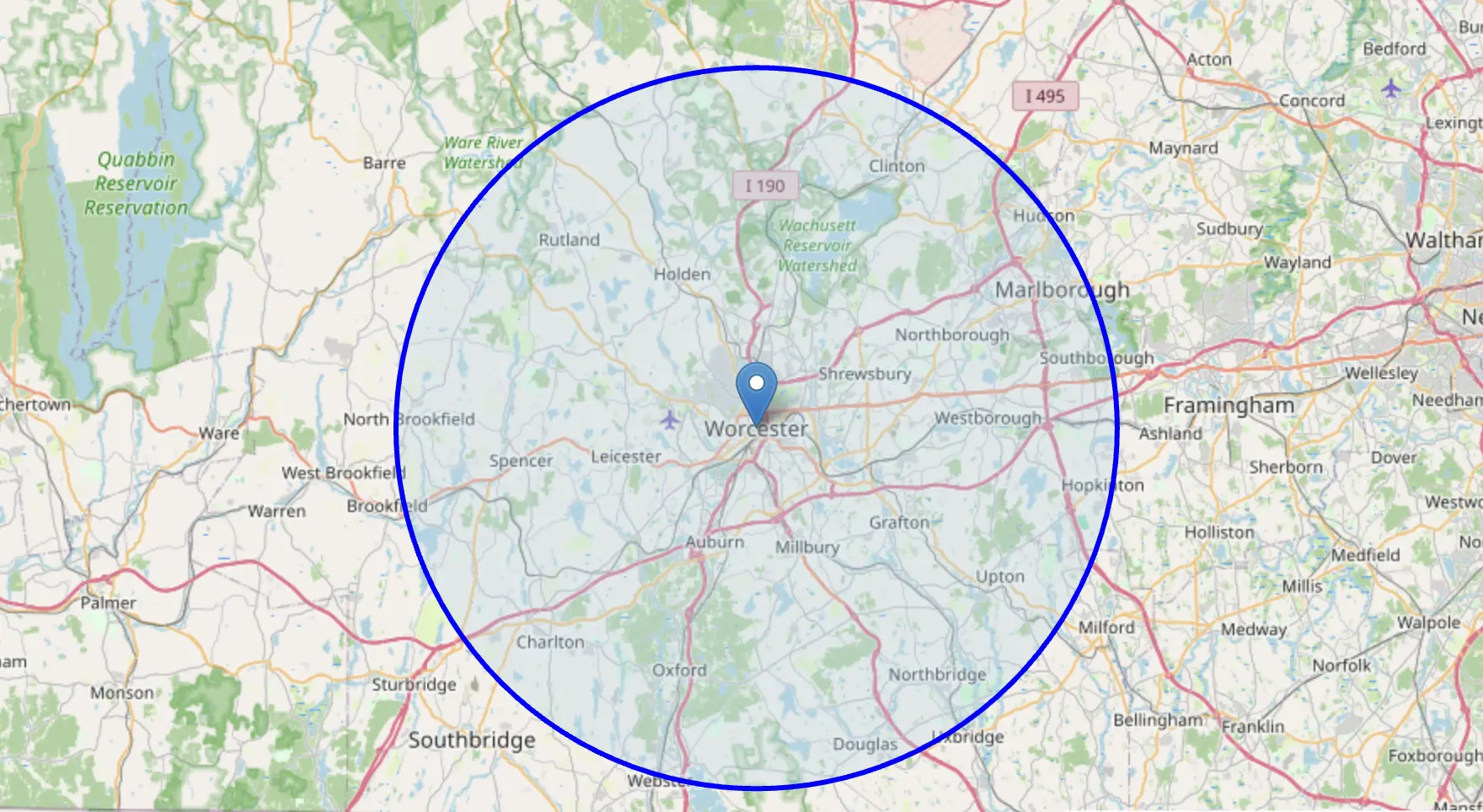
Find local details for each community on our service-area pages.
Frequently Asked Questions
Can a duplex in Enola be mitigated on one side only?
Often, yes. A shared wall doesn't merge two foundations. Each half has its own cellar conditions, and one side can test high while the other doesn't. A single-side system is routine; the neighborly move is sharing your result so the other half can decide about testing with real information.
Does the slope Enola is built on affect radon?
Hillside construction means stepped foundations, walk-out levels, and half-cellars, more foundation variety per block than flat towns have. That doesn't raise the gas itself, but it changes where it enters and where suction belongs, which is why hillside homes get walked carefully at assessment.
Is Enola's radon data checkable at the local level?
Yes. Pennsylvania's radon program publishes test results by ZIP code, so Enola's own history is visible rather than folded into a county average. Cumberland County broadly carries the EPA's highest radon-potential zoning.