Radon Mitigation in Hummelstown, PA
The borough that built with brownstone
Hummelstown’s claim to fame is under its feet twice over. The first is brownstone: the quarries here supplied the stone that faced row houses up and down the East Coast, and the borough kept plenty for itself. You can read the town’s quarry era in its own Victorian facades and foundations. The second is the karst below the stone. Indian Echo Caverns sits at the edge of town because this is cavern country, limestone dissolved and hollowed by water over geologic time.
Both facts bear on radon. Quarry-era housing means a dense core of 19th-century homes on stone foundations: walls of stacked block and mortar seam, cellars cut close to bedrock, floors that are concrete now but weren’t always. Foundations like that don’t have an entry point for soil gas; they are one. And cavern-grade karst is fractured, channeled rock, the kind that moves gas as readily as it once moved the water that carved the caves. Dauphin County’s spot in the EPA’s highest radon-potential zone owes a lot to ground like this, and the state’s ZIP-level test data fills in the local detail. Both are linked from radon levels in your area.
Away from the old core, Hummelstown looks more like its era-mates: postwar blocks toward Hershey, and newer single-family plans filling the township edges, basements poured rather than laid. Those homes trade the stone foundation’s porousness for the modern basement’s familiar seams: floor cracks, sump pits, slab joints. Different century, different leak points, same underlying question.
What Hummelstown really asks of radon work is range: the same week can hold an 1880s cellar that needs creative suction design and a 2015 basement that’s a textbook one-point system. The town isn’t uniform, so the assessments can’t be either.
Getting Hummelstown homes fixed
The core service here is radon mitigation with an old-borough accent: designs that respect stone foundations and partial slabs in the quarry-era core, alongside straightforward sub-slab work in the newer sections. For owners who don’t have a number yet, professional testing is the first move; in housing this varied, guessing from the neighbor’s result is even less reliable than usual.
What an assessment looks for differs by block. In the quarry-era core, it’s the floor that gets the attention: how much of the cellar is original concrete, whether corners were left unpoured, where a suction point can reach useful soil without fighting the stone. In the newer sections, the visit is more conventional: sump or no sump, gravel under the slab, the shortest defensible pipe run to the roofline. Either way the homeowner gets the same thing at the end, a written scope for their specific foundation, not a package pulled off a shelf.
Coverage is easy to state honestly: Hummelstown is about fifteen minutes from the Harrisburg base along the 322 corridor, close enough that assessments, installs, and verification retests all book on normal timelines. The full service picture, and the standard every job ends on (a documented post-installation test), is laid out from the homepage.
Our Services
-
Radon Mitigation
A mitigation system collects the gas beneath the home and vents it safely above the roofline — before it can build up indoors.
Learn more
-
Radon Testing
Radon can't be seen or smelled — a test is the only way to know a home's level.
Learn more
-
Radon for Home Sales
Radon findings in a purchase usually come with a deadline attached — the process works better when someone's done it on a closing schedule before.
Learn more
-
Radon Fan Replacement & System Repair
Mitigation fans run continuously for years — and like anything that runs continuously, they eventually wear out.
Learn more
-
Passive Radon System Activation
Many newer homes were built with a passive radon rough-in — a pipe that's ready for a fan but doesn't have one yet.
Learn more
-
Crawlspace Radon Mitigation
Homes over crawlspaces need a different approach — typically a sealed membrane over the exposed soil, tied into the venting system.
Learn more
Areas We Serve
- Harrisburg
- Camp Hill
- Mechanicsburg
- Carlisle
- Hershey
- Hummelstown
- Middletown
- New Cumberland
- Enola
- Dillsburg
- Elizabethtown
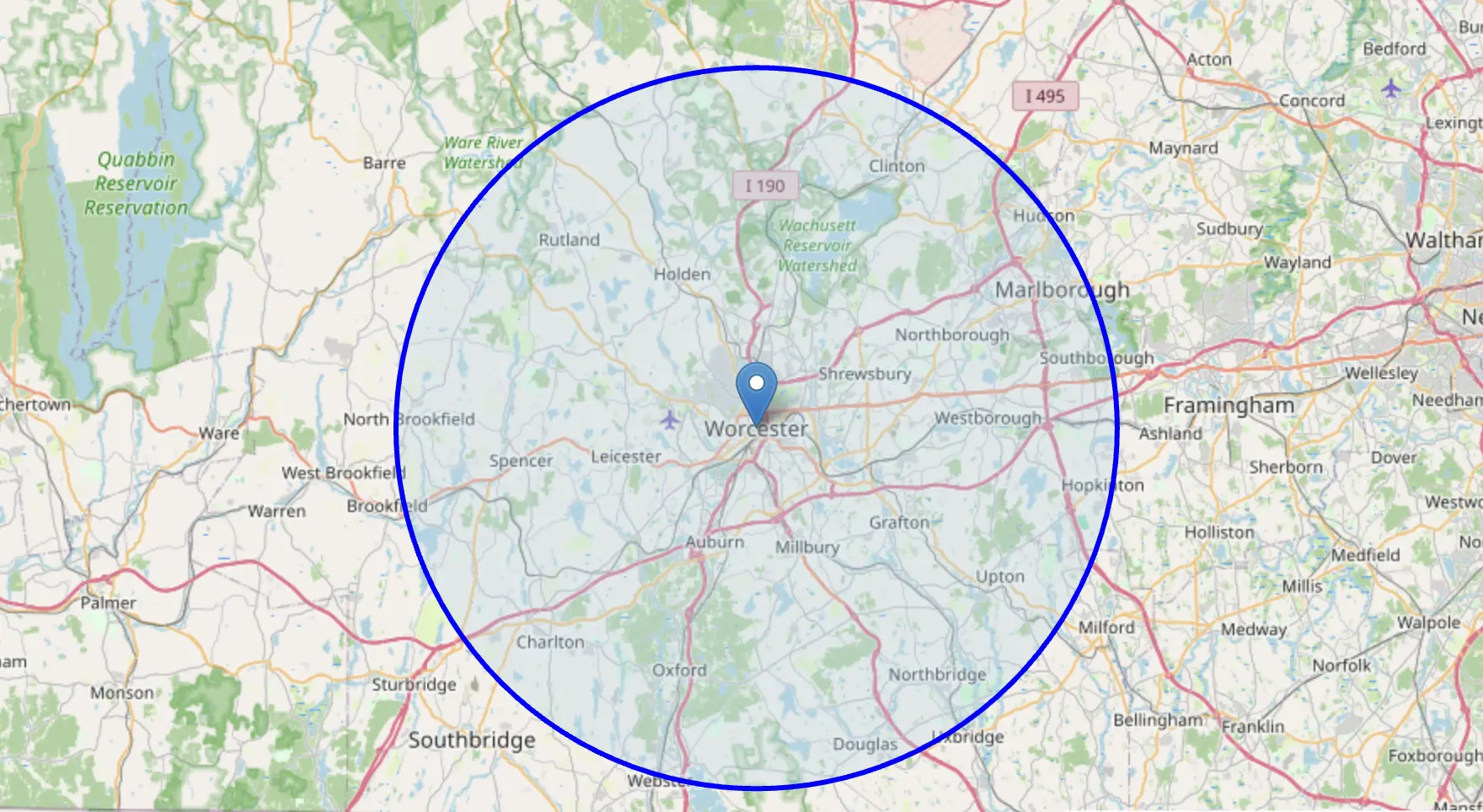
Find local details for each community on our service-area pages.
Frequently Asked Questions
There are literal caves under this area. Does that mean my radon is high?
Not automatically. It means the bedrock here is the dissolving, fracturing kind that gives soil gas easy paths, which is why the county sits in the EPA's highest radon-potential zone. Individual houses still vary a lot. The caverns make testing a smart bet, not a foregone conclusion.
Our Hummelstown house has a stone foundation from the 1880s. What does mitigation look like?
It starts with an honest assessment of what's down there: how much of the cellar floor is concrete versus dirt, what condition the stone walls are in, whether a sump exists. The design typically combines sealing what can be sealed with suction under whatever floor exists, and sometimes a membrane over exposed soil. The retest afterward proves whichever design was right.
Is Hummelstown inside the regular service area?
Comfortably. The borough is roughly fifteen minutes from Harrisburg on the Hershey side of the county, and assessments here schedule like any local job, with no minimum-trip surcharges or special arrangements.