Radon Mitigation in Mechanicsburg
Two Mechanicsburgs, two radon stories
Radon work in Mechanicsburg splits cleanly in two, because the town itself does.
Inside the borough, the housing is 19th-century at its core: Victorian frame houses and brick semis on Main Street blocks that predate the Civil War in places. Their foundations are stone and early block, their cellars low and sometimes half-finished, their floors occasionally still bare in a corner by the oil tank. Gas moves through foundations like these easily; mitigation here is thoughtful retrofit work, finding suction where century-old slabs (or no slabs) allow it.
Then there’s everything around the borough: the townships that turned farm limestone into cul-de-sacs from the 1980s through the 2000s and are still building. Poured-concrete basements, sump pits, open floor plans. And in a meaningful share of the newer builds, something the borough never had: a passive radon rough-in, a capped pipe the builder ran from slab to roof, waiting for a fan. Practice varied builder to builder, so one street has them and the next doesn’t.
Under both Mechanicsburgs sits the same Cumberland Valley limestone. Karst ground, the kind that makes local news for sinkholes. Dissolving, fracturing rock is generous to soil gas, which is part of why this county sits in the EPA’s highest radon-potential zone and why the state’s published numbers for the area run high. The data, sourced and linked, lives in radon levels in your area.
What the split means practically: the right radon plan for a Green Street Victorian and the right plan for a 2005 colonial two miles west are different jobs, with different entry paths, suction strategies, and pipe routes. The address doesn’t decide the level, but it does shape the fix.
The work Mechanicsburg calls for
Both halves of town end up at radon mitigation, but they arrive differently. Borough homes need full retrofit systems designed around old foundations. The newer developments often have a shortcut waiting: if testing comes back elevated and there’s a capped pipe in the basement, activating the passive system, adding the fan and gauge to the builder’s rough-in, is usually the most direct path to a working system.
The borough-versus-township split shows up in the appointments themselves. An assessment in an old Main Street house spends its time below grade: mapping the cellar, checking for sectioned slabs and dirt corners, working out where suction can actually reach. In the developments, the same visit often starts with a simpler question: is there a rough-in, was it built to something, and does the slab’s gravel bed give a fan anything to pull through? Ten minutes in the basement usually sorts a house into its category.
On coverage: Mechanicsburg is a straightforward run from Harrisburg, about twenty minutes out the Carlisle Pike or the turnpike side, and it sits in the middle of the West Shore territory this service works daily. Scheduling an assessment here is routine, and the full picture of what’s offered, testing through mitigation through the verification retest, starts at the main page.
Our Services
-
Radon Mitigation
A mitigation system collects the gas beneath the home and vents it safely above the roofline — before it can build up indoors.
Learn more
-
Radon Testing
Radon can't be seen or smelled — a test is the only way to know a home's level.
Learn more
-
Radon for Home Sales
Radon findings in a purchase usually come with a deadline attached — the process works better when someone's done it on a closing schedule before.
Learn more
-
Radon Fan Replacement & System Repair
Mitigation fans run continuously for years — and like anything that runs continuously, they eventually wear out.
Learn more
-
Passive Radon System Activation
Many newer homes were built with a passive radon rough-in — a pipe that's ready for a fan but doesn't have one yet.
Learn more
-
Crawlspace Radon Mitigation
Homes over crawlspaces need a different approach — typically a sealed membrane over the exposed soil, tied into the venting system.
Learn more
Areas We Serve
- Harrisburg
- Camp Hill
- Mechanicsburg
- Carlisle
- Hershey
- Hummelstown
- Middletown
- New Cumberland
- Enola
- Dillsburg
- Elizabethtown
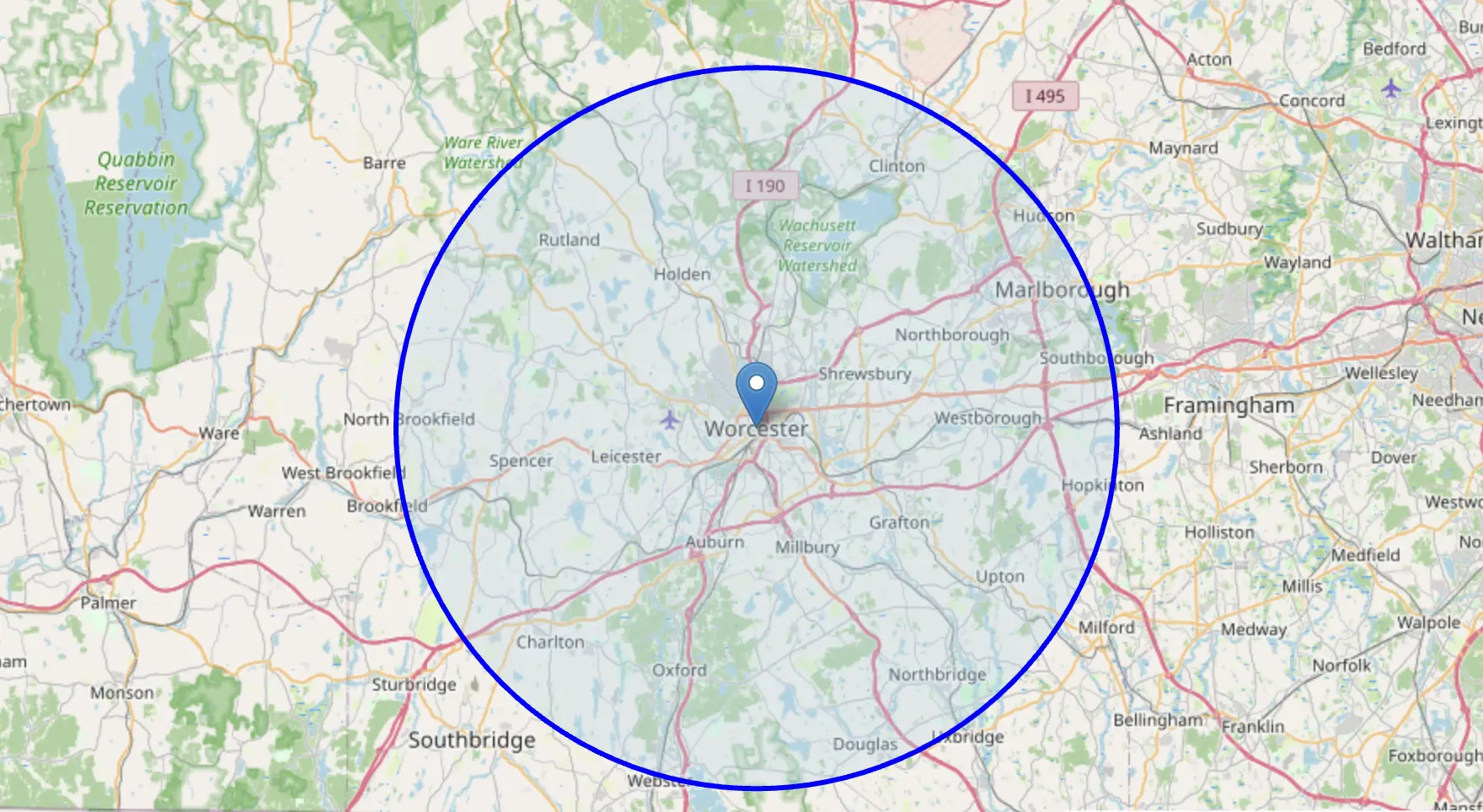
Find local details for each community on our service-area pages.
Frequently Asked Questions
Our Mechanicsburg house was built in 2008. Is radon still a concern?
The build year doesn't settle it. Radon comes from the limestone under the valley, not from the age of the concrete, and newer homes out here test elevated regularly. The upside is that many houses from that era have a capped rough-in pipe, which makes any needed fix simpler and cheaper than a full retrofit.
How would I know if my house has a radon rough-in?
Look in the basement or utility area for a vertical PVC pipe, three or four inches wide, rising out of the slab with no plumbing attached, sometimes capped, sometimes labeled radon. Builders in the newer developments around Mechanicsburg installed them inconsistently, so neighboring streets can differ. An assessment can confirm what you have.
Does the sinkhole-prone ground around here change the radon question?
Karst terrain, the dissolving limestone behind the region's sinkholes, is fractured ground, and fractured ground gives soil gas easy paths upward. It doesn't mean any specific house is high. It's one more reason the EPA rates this county in its highest radon-potential zone, and one more argument for testing rather than guessing.