Radon Mitigation in Middletown, PA
Radon in Dauphin County’s oldest town
Middletown was founded in 1755, the oldest town in the county, and its housing reads like tree rings. River-lot homes near the square that go back to the canal and ferry era. Victorian and industrial-age blocks from the railroad years. Then the ring that sets Middletown apart from every other borough in this service area: the wartime and immediate-postwar worker housing built fast and modest when the Olmsted air depot boomed. Compact frame houses and duplexes, block foundations, small footprints, whole streets of them poured within a few years of each other.
That 1940s ring matters for radon in a particular way. Housing built quickly to a repeated plan tends to share its weaknesses: same shallow basements, same block-wall construction that gives soil gas a path through hollow cores, same era of slab work now pushing eighty years old. When one house on such a street tests high, its siblings are worth testing too. Not because radon spreads house to house, but because identical foundations over the same river-terrace soils tend to ask the same question.
The terrace soils themselves are the other Middletown variable. The town sits on Susquehanna River deposits, gravels and sands that drain and breathe differently than the valley limestone a few miles west. Permeable ground moves gas readily. It’s one more reason county-level generalities only go so far here; the state’s ZIP-code test data, linked with the full regional picture in radon levels in your area, is the honest grain to check.
Add Penn State Harrisburg on the town’s shoulder, with the rental stock a campus sustains, and Middletown’s radon work spans owner-occupants in canal-era homes, landlords with wartime duplexes, and everything between.
What Middletown properties call for
Most of the work here funnels into radon mitigation tuned to the town’s repeated housing types. Block-wall-era foundations reward suction strategies that account for hollow cores, and the compact footprints usually keep pipe runs short. For the rental stock around campus, and for the wartime streets where systems installed decades ago are aging out, fan replacement and system repair is the other regular call; a dead fan on a thirty-year-old system is a fifteen-minute diagnosis and a same-category fix.
The repeated-plan streets reward a bit of neighborly information-sharing, too. When one wartime duplex gets assessed, the findings usually generalize (same slab thickness, same block cores, same likely suction strategy next door), which makes second and third systems on a street faster to scope than the first. Landlords with several doors in town benefit from the same effect: one careful assessment teaches most of the portfolio.
Middletown sits about fifteen minutes down Route 283 from Harrisburg, deep inside the everyday service radius, so scheduling is unremarkable in the best way. Every engagement ends identically regardless of the house’s century: a post-installation or post-repair test, documented, because the retest is the proof this whole service is built around.
Our Services
-
Radon Mitigation
A mitigation system collects the gas beneath the home and vents it safely above the roofline — before it can build up indoors.
Learn more
-
Radon Testing
Radon can't be seen or smelled — a test is the only way to know a home's level.
Learn more
-
Radon for Home Sales
Radon findings in a purchase usually come with a deadline attached — the process works better when someone's done it on a closing schedule before.
Learn more
-
Radon Fan Replacement & System Repair
Mitigation fans run continuously for years — and like anything that runs continuously, they eventually wear out.
Learn more
-
Passive Radon System Activation
Many newer homes were built with a passive radon rough-in — a pipe that's ready for a fan but doesn't have one yet.
Learn more
-
Crawlspace Radon Mitigation
Homes over crawlspaces need a different approach — typically a sealed membrane over the exposed soil, tied into the venting system.
Learn more
Areas We Serve
- Harrisburg
- Camp Hill
- Mechanicsburg
- Carlisle
- Hershey
- Hummelstown
- Middletown
- New Cumberland
- Enola
- Dillsburg
- Elizabethtown
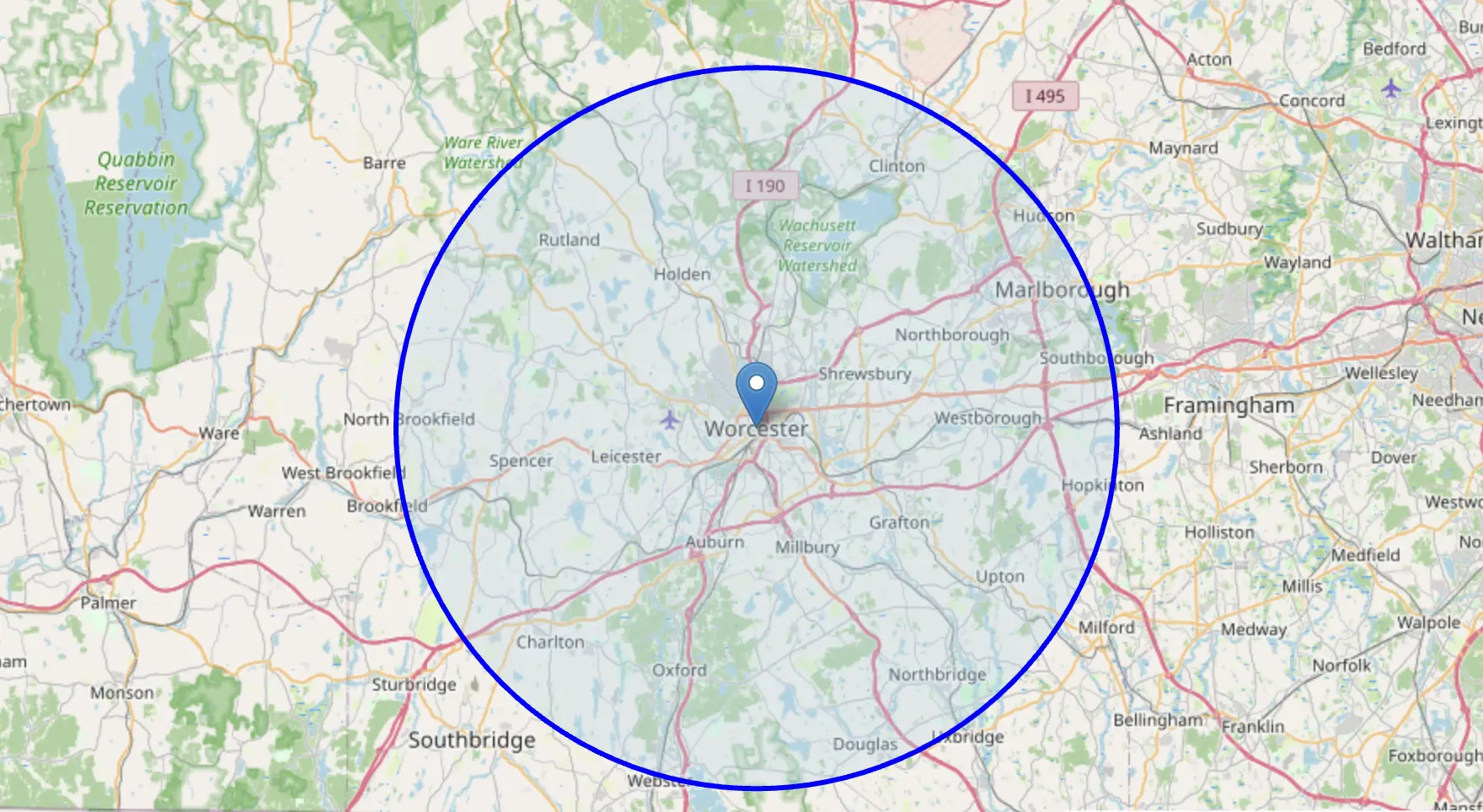
Find local details for each community on our service-area pages.
Frequently Asked Questions
Our Middletown house is close to the river. Does flooding history change radon work?
It can shape the design. Homes that have taken water often have sump systems, drainage retrofits, and re-poured slab sections, all of which a radon assessment reads carefully, since sumps can double as suction points and patched slabs change how air moves underneath. Flood history doesn't raise or lower the radon itself; it changes the map of the foundation.
I rent to Penn State Harrisburg students. Is testing my responsibility?
Practically speaking, yes. Mitigation decisions belong to the property owner, and a landlord who tests and documents is ahead of the question rather than behind it. Testing around tenants is routine scheduling work, and a verified retest in the property file answers buyers, lenders, and tenants alike.
How does the state's data grain apply to Middletown?
Pennsylvania's radon program publishes results by ZIP code, so Middletown's own testing history is checkable directly. The county as a whole carries the EPA's highest radon-potential designation, which is context. The ZIP data is the local detail.