Radon Mitigation in New Cumberland
The streetcar borough by the Yellow Breeches
New Cumberland grew up where the Yellow Breeches Creek meets the Susquehanna, and it grew up mostly in one push: the streetcar decades, roughly the 1900s through the 1930s, when the trolley lines made the West Shore commutable. The result is a borough of American Foursquares and frame colonials (porches, deep narrow lots, sidewalks) built before anyone poured a modern basement. Below those frame houses sit the era’s foundations: stone in the earlier blocks, first-generation block in the later ones, cellars dug low with utilities threaded through them for a century since.
Frame construction fools people here. Owners assume an old wood house is somehow a different radon case than a brick one, but the gas never sees the siding. It negotiates with the cellar, and New Cumberland’s cellars are period pieces. Original floor slabs poured thin and patched often; walls whose mortar joints have breathed for ninety years; and the borough’s riverside setting adding its own wrinkle, because homes near the creek and river carry generations of moisture management, sumps and drains and re-graded floors, that rearrange how air moves under the house.
The borough also climbs. Away from the flats, streets rise up the hillside toward Lower Allen, and the housing shifts younger: postwar capes, then split-levels stepped into the slope. Splits are their own radon animal: half-basement, half-slab-on-grade, two foundation systems sharing one footprint, sometimes needing suction on both.
All of it sits at the eastern edge of the same Cumberland County limestone that earns the county its Zone 1 rating from the EPA. The published local numbers, down to ZIP grain, are collected in radon levels in your area, worth a look before assuming anything about a specific block.
Fixing houses on the flats and the hill
New Cumberland’s mix keeps radon mitigation design honest: thin-slab cellars on the flats, split-level hybrids on the hill, and moisture retrofits everywhere that a system has to work around or with. Owners without a current number usually start with testing, and here the lowest-lived-in-level rule matters: a foursquare’s cellar workshop and a split’s family room are different test placements with different stakes.
The moisture history in the flats changes the assessment checklist more than anywhere else nearby. Sumps get inspected as potential suction points, old French-drain retrofits get mapped because they alter how air moves under the floor, and sealing work gets planned around whatever waterproofing came before. On the hill, the job is mostly geometry: figuring out whether one fan can serve both halves of a split-level’s foundation or whether the slab side needs its own point.
Distance is a non-issue. The borough is roughly ten minutes from the Harrisburg base, about as close as the service area gets. Same-week assessment scheduling is the norm rather than the exception, and every job in the borough finishes the way the whole practice does: with a verification retest on paper, not a wave from the truck.
Our Services
-
Radon Mitigation
A mitigation system collects the gas beneath the home and vents it safely above the roofline — before it can build up indoors.
Learn more
-
Radon Testing
Radon can't be seen or smelled — a test is the only way to know a home's level.
Learn more
-
Radon for Home Sales
Radon findings in a purchase usually come with a deadline attached — the process works better when someone's done it on a closing schedule before.
Learn more
-
Radon Fan Replacement & System Repair
Mitigation fans run continuously for years — and like anything that runs continuously, they eventually wear out.
Learn more
-
Passive Radon System Activation
Many newer homes were built with a passive radon rough-in — a pipe that's ready for a fan but doesn't have one yet.
Learn more
-
Crawlspace Radon Mitigation
Homes over crawlspaces need a different approach — typically a sealed membrane over the exposed soil, tied into the venting system.
Learn more
Areas We Serve
- Harrisburg
- Camp Hill
- Mechanicsburg
- Carlisle
- Hershey
- Hummelstown
- Middletown
- New Cumberland
- Enola
- Dillsburg
- Elizabethtown
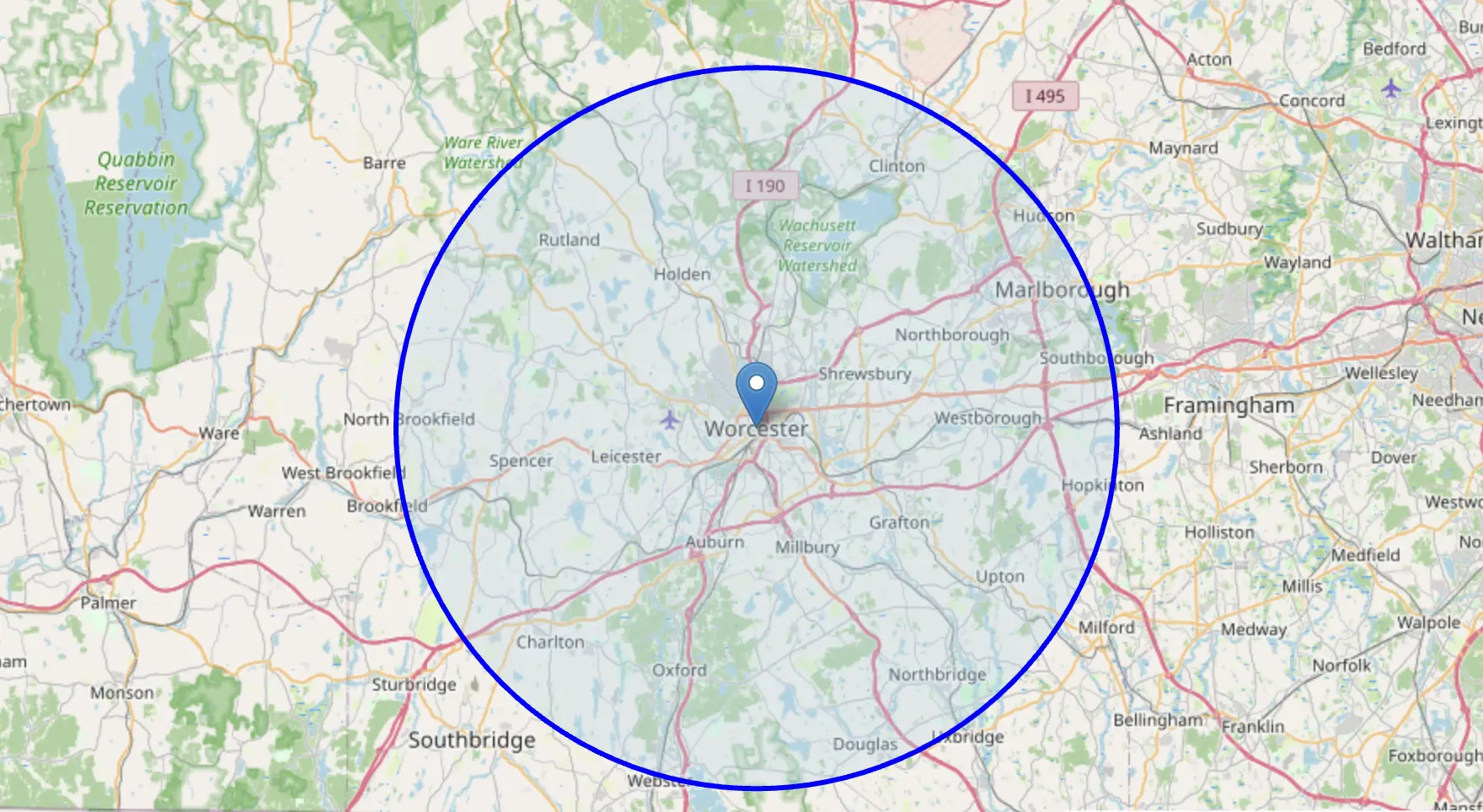
Find local details for each community on our service-area pages.
Frequently Asked Questions
Our New Cumberland foursquare has a low, damp basement. Does moisture complicate mitigation?
It shapes the job rather than blocking it. Damp basements often already have drainage or a sump, which a radon design can sometimes pull suction from, and sealing work does double duty against both gas and moisture pathways. The assessment reads the water situation alongside the foundation, because the two problems share real estate.
Frame house versus brick? Does the construction above the foundation matter?
Very little. Radon enters through what's below grade, and New Cumberland's frame streetcar-era homes sit on the same stone and early-block foundations as their brick contemporaries. What matters is the cellar's floor, walls, and penetrations, not the siding above them.
How quickly can someone get to New Cumberland?
It's one of the closest towns in the service area, essentially across the river and down the shore from Harrisburg, a ten-minute drive. Assessments and installs here book on ordinary local timelines.